Introduction
Tenzing Natural Energy is a plant-based energy drink designed for people who want a convenient caffeine boost with a focus on naturally sourced ingredients. The brand uses caffeine from green coffee beans and includes ingredients such as tea extracts, fruit sugars, vitamin C, and electrolytes in its Original Recipe.
However, the word “natural” does not automatically mean that an energy drink is sugar free, calorie-free, or suitable for everyone. Before choosing TENZING, it is worth understanding how much caffeine it contains, what its nutritional label says, and how its ingredients compare with your personal needs.
In this guide, we explore Tenzing Natural Energy’s ingredients, nutrition facts, flavours, potential benefits, limitations, and differences between its standard range and Natural Energy+ range. The aim is to help you make an informed decision rather than simply promote a brand.
What Is Tenzing Natural Energy?
Tenzing Natural Energy is an energy drink brand inspired by nature and traditional Himalayan tea culture. Its product range combines caffeine with other ingredients, including fruit derived ingredients, tea extracts, and electrolytes, depending on the particular formulation.
The standard TENZING range is designed to provide an everyday energy boost in a lightly sparkling drink. The brand also sells Natural Energy+, a separate range featuring a larger can and additional functional ingredients.
One of the main differences between TENZING and conventional energy drinks is its emphasis on plant based ingredients and naturally sourced caffeine. However, the most meaningful way to evaluate any energy drink is to look beyond its marketing and check its exact ingredients, caffeine level, sugar content, and serving size.
TENZING is therefore best understood as a caffeinated soft drink with a nature-inspired formulation, not as a replacement for sleep, meals, or a balanced lifestyle.
Tenzing Natural Energy Ingredients Explained
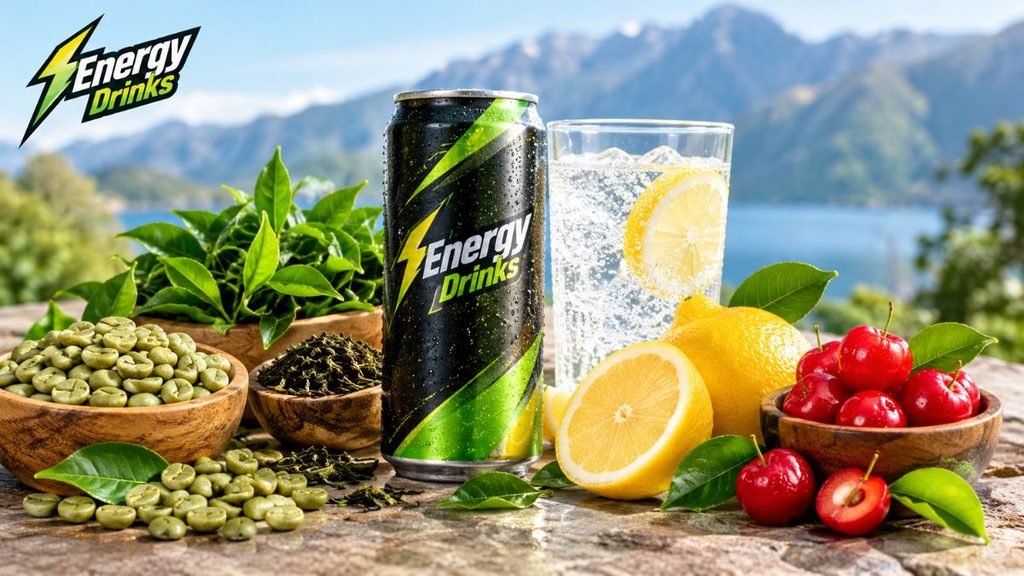
The ingredients vary by flavour and product range. The following explanations refer primarily to the brand’s Original Recipe, so always check the label on the specific can you intend to purchase.
1. Caffeine From Green Coffee Beans
TENZING sources its caffeine from unroasted green coffee beans. Caffeine is a stimulant that can increase alertness and temporarily reduce the feeling of tiredness.
Because the beans are unroasted, their caffeine can be incorporated without giving the drink the familiar roasted coffee flavour. Nevertheless, caffeine from green coffee beans affects the body as caffeine does from other sources.
What this means for consumers: Check the total caffeine in the can, particularly if you also drink coffee, tea, cola, or other caffeinated beverages.
2. Green Tea Extract
Green tea extract is included in the Original Recipe’s herbal extract blend. Tea contains naturally occurring compounds, and the amount and type present depend on the ingredient and processing method.
Green tea extract should not be interpreted as proof that the finished drink provides every benefit associated with drinking brewed green tea. The product’s actual formulation matters.
3. Fruit Sugars and Beet Sugar
The Original Recipe lists beet sugar and fruit sugar among its ingredients. These ingredients contribute sweetness and should be considered when evaluating the drink’s sugar content.
A product can use naturally sourced sugars and still contain a meaningful amount of sugar. Consumers monitoring their sugar intake should therefore check the nutrition table instead of relying on the word “natural.”
4. Lemon Juice and Natural Flavourings
The Original Recipe contains lemon juice from concentrate and natural flavourings. These ingredients contribute to the drink’s citrus character and overall flavour profile.
Other flavours use different fruit ingredients and formulations, so the Original Recipe ingredient list should not be assumed to apply to every TENZING can.
5. Vitamin C From Acerola
Acerola is a fruit that naturally contains vitamin C. TENZING lists vitamin C in its Original Recipe, but the amount per can depends on the formulation and serving size.
Vitamin C has recognised functions in the body, including supporting normal immune function. However, its presence does not mean the drink prevents illness or eliminates the effects of insufficient sleep.
6. Electrolytes From Himalayan Rock Salt
Electrolytes are minerals involved in functions such as fluid balance and normal muscle and nerve activity. TENZING uses Himalayan rock salt as an electrolyte source.
The presence of electrolytes does not automatically make every energy drink an appropriate hydration solution for prolonged or intense exercise. Water and an appropriate diet remain important, and hydration needs vary by activity and conditions.
The official TENZING Original Recipe product page provides the current ingredient list and nutritional information for that specific product.
How Much Caffeine Is in Tenzing Natural Energy?
Caffeine content is one of the most important details to check before drinking TENZING. The amount depends on the product range and can size.
According to the brand’s published product information:
| Product | Can size | Caffeine per can |
| TENZING Natural Energy | 250 ml | 80 mg |
| TENZING Natural Energy | 330 ml | 106 mg |
| TENZING Natural Energy+ | 500 ml | 160 mg |
Source: Official TENZING FAQs and product collection. Check the label because formulations and product listings may change.
Is 80 mg of Caffeine a Lot?
An 80 mg serving is a meaningful amount of caffeine, although its effects depend on your sensitivity, age, body size, medication use, and other caffeine consumed during the day.
For example, if you drink a 250 ml TENZING can containing 80 mg of caffeine and then have coffee containing another 100 mg, your combined intake from those two drinks would be approximately 180 mg.
This is why the caffeine in an entire serving matters more than whether the source is described as natural.
Can Tenzing Natural Energy Keep You Awake?
Caffeine can temporarily increase alertness and make you feel less tired. However, it does not replace sleep or fully restore performance when you are sleep deprived.
Drinking caffeinated beverages later in the day may also interfere with sleep, particularly for people who are sensitive to caffeine.
If you are choosing TENZING to help with studying or work, consider the time of day and your total caffeine intake before opening a can.
Tenzing Natural Energy Nutrition Facts

The official Original Recipe product page lists the following nutrition information per 100 ml.
| Nutritional value | Per 100 ml | Approx. per 250 ml can |
| Energy | 19 kcal | 47.5 kcal |
| Fat | 0 g | 0 g |
| Carbohydrates | 4.5 g | 11.25 g |
| Of which sugars | 4.5 g | 11.25 g |
| Protein | 0 g | 0 g |
| Salt | 0.1 g | 0.25 g |
| Vitamin C | 4.8 mg | 12 mg |
Per can figures are calculated from the published per-100-ml values and are approximate.
Source: TENZING Original Recipe.
Is Tenzing Natural Energy Sugar-Free?
No. The published Original Recipe nutrition information lists 4.5 g of sugar per 100 ml, equivalent to approximately 11.25 g in a 250 ml can.
The product uses beet sugar and fruit sugar, but naturally sourced sugar still counts toward total sugar intake.
This distinction is important for anyone comparing energy drinks based on sugar consumption, calorie intake, or dietary requirements. TENZING’s standard Original Recipe should not be described as sugar free.
Is Tenzing Natural Energy Low in Calories?
The Original Recipe provides approximately 48 calories per 250 ml can. Whether that is low depends on what you compare it with and how it fits into your overall diet.
A lower calorie drink may suit someone looking for a smaller energy contribution from beverages, but calorie content alone does not determine whether a product is nutritious or appropriate for a particular person.
Do Nutrition Facts Differ Between Flavours?
Yes, they can. Different flavours and product ranges may use different fruit ingredients, sweeteners, and functional ingredients.
Use the specific can’s label for the most reliable figures. Do not assume that the Original Recipe’s nutrition values apply to Natural Energy+ or every available flavour.
What Does Tenzing Natural Energy Taste Like?
TENZING offers several flavour profiles rather than a single uniform taste.
The brand describes its Original Recipe as having a bright citrus character, with lemon and green tea notes and a lightly mineral finish. Other flavours use combinations such as raspberry and yuzu, lime and mint, or pineapple and passionfruit.
The taste you prefer will depend on whether you enjoy citrus forward drinks, fruit sweetness, herbal notes, or a sparkling finish.
Because flavour preference is subjective, the best approach is to check the flavour description and, if available, try a small quantity before purchasing a large multipack.
It is also worth remembering that naturally sourced caffeine does not necessarily make a drink taste like coffee. TENZING uses green coffee beans as a caffeine source rather than relying on the flavour of roasted coffee.
Tenzing Natural Energy Flavours

TENZING’s product listings have included several flavours across its standard range. Availability may change with location, retailer, and product updates.
| Flavour or range | General flavour profile |
| Original Recipe | Citrus, lemon, and green tea notes |
| Raspberry & Yuzu | Berry sweetness with a citrus character |
| Lime & Mint | Fresh lime with mint notes |
| Pineapple & Passionfruit | Tropical fruit character |
| Peach & Honey Melon | Soft, fruity sweetness |
| Natural Energy+ Fiery Mango | Mango with ginger and cayenne notes |
| Natural Energy+ White Peach | Peach with tea and floral notes |
These are general flavour descriptions, not a guarantee of local stock or identical formulations. Check the official TENZING product collection for current listings.
Which Flavour Should You Choose?
If you prefer citrus, the Original Recipe or Lime & Mint may appeal to you. Raspberry & Yuzu offers a berry and citrus direction, while Pineapple & Passionfruit is aimed at consumers who enjoy tropical flavours.
Natural Energy+ is a different range, with a higher caffeine serving and additional ingredients. Compare its label with the standard range before choosing it.
Potential Benefits of Tenzing Natural Energy
TENZING may suit some consumers, but its benefits should be considered in context rather than treated as guaranteed health outcomes.
1. A Convenient Source of Caffeine
Caffeine can temporarily improve alertness and reduce the perception of tiredness. A ready to drink can offers convenience for people who want caffeine without preparing coffee or tea.
The effect depends on the amount consumed and the individual. More caffeine is not necessarily better.
2. Plant-Based Ingredient Positioning
TENZING describes its drinks as plant based and uses ingredients such as green coffee derived caffeine and fruit ingredients.
This may appeal to consumers who prefer plant-based formulations. However, plant based does not automatically mean healthier, safer, or lower in sugar.
3. Several Flavour Options
The range gives consumers options beyond conventional coffee flavours. This may make it easier to choose a drink that matches their taste preferences.
Flavour choice remains subjective, and the ingredient list should be checked when avoiding a particular ingredient.
4. Vitamin C and Electrolytes
The Original Recipe contains vitamin C and electrolytes, according to the brand’s published product details.
These ingredients have recognised roles in normal body function. However, their inclusion should not be interpreted as proof that TENZING prevents fatigue in every situation, improves athletic performance for everyone, or replaces a balanced diet.
5. Product Information for Comparison
Published ingredient and nutrition information allows consumers to compare caffeine, sugar, and calories with other drinks.
This is useful when choosing a product based on dietary preferences, although the information should always be checked for the exact flavour and can size.
Potential Drawbacks and Things to Consider
An honest evaluation should also cover the limitations of TENZING Natural Energy.
1. It Contains Caffeine
Caffeine may cause restlessness, anxiety, a racing heartbeat, digestive discomfort, or sleep problems in some people. Sensitivity varies, so a serving that feels manageable to one person may feel excessive to another.
2. The Original Recipe Contains Sugar
Consumers seeking a sugar free energy drink should be aware that TENZING’s published Original Recipe contains sugar.
If sugar intake is a priority, compare the nutrition labels of available alternatives rather than assuming that a natural ingredient list means less sugar.
3. Natural Does Not Mean Risk-Free
Caffeine is still a stimulant regardless of whether it comes from green coffee beans, tea, or another source.
A product’s natural positioning does not remove the need to consider caffeine dose, other ingredients, or personal health circumstances.
4. Natural Energy+ Has More Caffeine
The 500 ml Natural Energy+ range is listed with 160 mg of caffeine per can. That is substantially more than the 80 mg in the standard 250 ml can.
Consumers who are sensitive to caffeine or already consume several caffeinated drinks should compare the total amounts carefully.
5. Price and Availability Can Vary
The cost per can may differ by pack size, retailer, promotion, subscription, and country. A product available on the brand’s UK website may not be available at the same price or through the same delivery options elsewhere.
Check the final price, delivery charges, and local availability before ordering.
Is Tenzing Natural Energy Good for You?
Whether TENZING is a suitable choice depends on the individual and the specific product.
For a healthy adult who tolerates caffeine, a standard can may be a convenient way to consume caffeine. Its plant based formulation and published ingredient information may also appeal to people who prefer these characteristics.
However, the drink still contains a stimulant, and the Original Recipe contains sugar. It should not be treated as a health drink simply because its ingredients are described as natural.
Consider the following questions before choosing it:
- Caffeine: How much caffeine have you already consumed today?
- Sugar: Does the product’s sugar content fit your dietary goals?
- Sleep: Will drinking it interfere with your usual bedtime?
- Sensitivity: Do you experience anxiety, palpitations, or other symptoms after caffeine?
- Ingredients: Does the specific formulation suit your dietary requirements?
- Purpose: Do you need a caffeinated drink, or would water, food, or rest address the problem better?
The most useful conclusion is that TENZING can be evaluated as an energy drink, but its suitability depends on its nutrition facts and your circumstances rather than its marketing alone.
Tenzing Natural Energy vs Traditional Energy Drinks
TENZING and conventional energy drinks can provide caffeine, but their formulations differ by brand and product. A fair comparison should use actual product labels rather than generalisations about an entire category.
| Feature | TENZING Original Recipe | Conventional energy drink |
| Caffeine source | Green coffee beans, according to the brand | Varies by product |
| Caffeine amount | 80 mg per 250 ml can | Varies by product and can size |
| Sugar | Approximately 11.25 g per 250 ml can | Varies; sugar-free and sugary options exist |
| Calories | Approximately 48 kcal per 250 ml can | Varies by formulation |
| Ingredient positioning | Plant based ingredients and naturally sourced caffeine | Depends on the brand and formulation |
| Flavour options | Citrus, berry, mint, and tropical profiles across listed products | Depends on the brand |
| Suitable for everyone? | No; caffeine and other ingredients must be considered | No; the same considerations apply |
TENZING values above are calculated from the official Original Recipe label. The conventional energy drink column is intentionally general because products differ considerably.
Which Is Better: TENZING or a Traditional Energy Drink?
There is no universal winner.
TENZING may appeal to someone who prefers its plant based ingredient positioning and flavour options. A different energy drink may be a better fit for someone who wants a verified sugar-free formulation, a different caffeine level, or a lower price.
The practical approach is to compare caffeine per serving, sugar per can, calories, ingredients, price, and flavour. Do not choose solely on the basis of the word “natural.”
When Might Someone Choose Tenzing Natural Energy?

During a Busy Workday
A caffeinated drink may temporarily help an adult feel more alert. However, regular sleep, adequate meals, movement, and breaks remain important for maintaining energy throughout the day.
While Studying
Caffeine may improve alertness for some people, but drinking too much or consuming it too late may disrupt sleep and make it harder to concentrate the following day.
Before Exercise
Some adults use caffeinated drinks before exercise. The appropriate amount depends on individual tolerance, the activity, and total caffeine intake.
TENZING should not replace a suitable warm up, balanced nutrition, or an appropriate hydration plan.
During Hiking or Outdoor Activities
A portable can may be convenient on a walk or hike. Nevertheless, an energy drink is not a substitute for carrying enough water and food, particularly in hot weather or during prolonged activity.
For any of these situations, consider whether caffeine is genuinely needed and whether the specific product suits your dietary and health needs.
Who Should Be Careful With Caffeinated Energy Drinks?
Caffeinated energy drinks are not appropriate for everyone.
- Children: TENZING states that its caffeinated products should not be consumed by children.
- Teenagers: Avoid treating energy drinks as a routine source of energy. Young people should follow appropriate health guidance and avoid relying on caffeine to compensate for inadequate sleep.
- Pregnant or breastfeeding people: Consult an appropriate healthcare professional about caffeine intake. The NHS advises limiting caffeine to no more than 200 mg per day during pregnancy, counting all sources.
- People sensitive to caffeine: Consider avoiding caffeinated drinks or choosing a lower caffeine alternative if caffeine causes unpleasant symptoms.
- People with relevant medical conditions or medication concerns: Ask a healthcare professional whether caffeine is appropriate for you.
The NHS provides further guidance in its pregnancy and caffeine advice, while TENZING’s official FAQ explains the brand’s own product guidance.
If you experience severe or persistent symptoms after consuming caffeine, seek appropriate medical advice.
Is Tenzing Natural Energy Worth Trying?
TENZING may be worth considering if you enjoy sparkling fruit flavoured drinks, want a convenient source of caffeine, and prefer the brand’s plant based ingredient approach.
Before buying, make sure you understand three important points:
- Choose the right caffeine level. The standard 250 ml can contains 80 mg of caffeine, while the Natural Energy+ range has a higher amount per can.
- Check the sugar content. The Original Recipe is not sugar free and contains approximately 11.25 g of sugar per 250 ml can.
- Compare the complete product. Review the ingredients, calories, price, flavour, and serving size rather than judging it only by its natural positioning.
If you want to avoid caffeine, prefer a sugar free drink, or need a beverage for ordinary hydration, another option may better match your needs.
The final decision should be based on the current label and your own preferences, not on a promise that any energy drink will provide unlimited energy or eliminate tiredness.
FAQs
1. What Is Tenzing Natural Energy?
TENZING Natural Energy is a plant based, caffeinated sparkling drink. Its standard range uses caffeine sourced from green coffee beans and includes other ingredients depending on the formulation.
2. How Much Caffeine Does Tenzing Natural Energy Contain?
The brand lists 80 mg in a 250 ml standard can, 106 mg in a 330 ml standard can, and 160 mg in a 500 ml Natural Energy+ can. Always verify the product label before consuming it.
3. Does Tenzing Natural Energy Contain Sugar?
Yes. The published Original Recipe nutrition information lists 4.5 g of sugar per 100 ml, or approximately 11.25 g in a 250 ml can.
4. Is Tenzing Natural Energy Sugar-Free?
No, not the standard Original Recipe described in this article. Check individual product labels because ingredients and nutrition can differ between variants.
5. Is TENZING Vegan?
The brand describes its drinks as plant based and vegan. If you have a strict dietary requirement, check the current product information and any relevant certification details.
6. Is TENZING Gluten-Free?
TENZING says its drinks do not contain ingredients with gluten, but its FAQ states that the products do not have gluten free certification. Anyone with a medical need to avoid gluten should review the manufacturer’s current guidance.
7. What Flavours Are Available?
Listed flavours have included Original Recipe, Raspberry & Yuzu, Lime & Mint, Pineapple & Passionfruit, and Peach & Honey Melon. Natural Energy+ has included Fiery Mango and White Peach. Availability varies by product range and market.
8. Can You Drink TENZING Before a Workout?
Some adults choose caffeinated drinks before exercise. Whether it is appropriate depends on caffeine tolerance, activity, and overall intake. Follow the product label and maintain suitable hydration.
9. Can TENZING Cause Side Effects?
Yes. Like other caffeinated drinks, it may cause sleep disruption, anxiety, restlessness, palpitations, or digestive discomfort in sensitive individuals. Effects vary from person to person.
10. Is TENZING Suitable for Teenagers?
TENZING’s official FAQ says its caffeinated products should not be consumed by children. Teenagers should not use energy drinks as a routine substitute for sleep, food, or hydration and should follow appropriate health guidance.
11. How Does TENZING Compare With Regular Energy Drinks?
The main distinction is its plant-based ingredient positioning and its use of green coffee-derived caffeine. However, caffeine, sugar, and calorie levels vary across all brands, so compare specific products rather than assuming TENZING is automatically healthier.
12. Where Can You Check TENZING Ingredients and Nutrition Facts?
Use the official Original Recipe product page, the TENZING FAQs, and the label on the exact can you intend to purchase.
Final Verdict
Tenzing Natural Energy offers a plant-based approach to caffeinated soft drinks, with naturally sourced caffeine, several flavour options, and ingredients such as vitamin C and electrolytes in its standard formulation.
Its strongest selling point is its ingredient positioning, but the details matter. The Original Recipe contains both caffeine and sugar, while Natural Energy+ provides a higher caffeine serving. Neither range should be assumed to be suitable for every person simply because it is marketed as natural.
For consumers considering TENZING, the most useful decision making factors are caffeine per can, sugar and calorie content, flavour preference, price, and personal sensitivity to caffeine. Checking these details provides a more reliable basis for choosing an energy drink than marketing claims alone.